
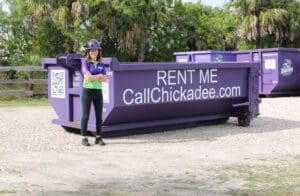
A roll-off dumpster rental is a large, open-top trash container that is delivered to your home or job site on a truck or trailer. The dumpster rolls off the truck and is placed in a driveway, yard, or other approved area. You fill it at your own pace, and when you’re finished, the dumpster is picked up and hauled away.
What Is a Roll-Off Dumpster Rental?
Roll-off dumpsters are designed for large amounts of waste that will not fit in regular trash cans. They are commonly used for home cleanouts, remodeling projects, roofing jobs, and commercial work where debris adds up fast.
How a Roll-Off Dumpster Rental Works
The process is simple, especially when it’s explained clearly before you book.
First, you choose a dumpster size based on the type and amount of material you plan to throw away. Once booked, the dumpster is delivered to your location and placed where you need it. After delivery, you load the dumpster as your project moves along. When the job is done, the dumpster is picked up, and the waste is properly disposed of.
A good dumpster rental company will explain timing, placement, and pricing upfront so there are no surprises. Choosing the right Dumpster company, they can answer the question What Is a Roll-Off Dumpster Rental? to make your next roll-off dumpster rental.
Common Misunderstandings About What Is a Roll-Off Dumpster Rental?
Many first-time renters are confused before they ever place an order. The most common misunderstandings involve pricing, choosing the right size, how to book, and what materials are allowed inside the dumpster.
Some people think pricing is complicated or hidden, while others believe they must call to book instead of ordering online. Another common issue is renting a dumpster that is too small and running out of space halfway through the project. Clear communication upfront helps avoid all of these problems.
When Should You Use a Roll-Off Dumpster?
Roll-off dumpsters are best used when you are creating more waste than normal trash pickup can handle. Different types of projects require different planning, which is covered in our complete guide to dumpster rentals for renovations, roofing projects, and cleanouts.
Residential Projects
Homeowners often rent roll-off dumpsters for projects that involve clearing out large amounts of household waste all at once. These projects tend to grow quickly, and having a dumpster on-site keeps everything organized and easy to manage. For larger cleanouts, many homeowners choose a residential dumpster rental instead of making repeated trips to the landfill.
Home cleanouts
One of the most common uses. This includes moving out, downsizing, estate cleanouts, or preparing a home for sale. Furniture, mattresses, dressers, boxes, and years of accumulated items can all be disposed of in one place instead of piling up in the yard or garage.
Garage and attic cleanouts
Homeowners choose a roll-off dumpster. These spaces often contain heavy or awkward items like old shelving, tools, boxes of paper, and broken equipment. A dumpster placed in the driveway allows everything to be safely removed without repeated dump runs.
Remodeling projects
Kitchen or bathroom renovations also benefit from a roll-off dumpster. Old cabinets, drywall, tile, flooring, and fixtures add up fast. A dumpster keeps debris contained so the project can move forward without clutter or safety issues.
Roofing tear-offs
Shingles and underlayment are heavy and create a lot of debris in a short amount of time. A roll-off dumpster allows roofers and homeowners to dispose of material efficiently while keeping the property clean.
Commercial Projects
Commercial customers rely on roll-off dumpsters to keep job sites clean, safe, and productive. These projects often involve ongoing debris removal, and delays can slow down the entire job. Many businesses choose a commercial dumpster rental to keep remodel debris off-site and avoid slowing down daily operations.
Commercial remodels
One of the most common uses. Office renovations, retail buildouts, and interior upgrades generate drywall, fixtures, flooring, and packaging waste that must be removed quickly so work can continue.
Construction and new build projects
Roll-off dumpsters to manage debris throughout the job. Scrap wood, excess materials, and construction waste accumulate daily. Having a dumpster on-site allows crews to stay organized and maintain a safe work environment. For ongoing jobs, contractors often rely on a construction dumpster rental to keep debris under control throughout the project.
Roofing projects
Commercial buildings also require roll-off dumpsters due to the weight and volume of materials involved. These jobs move fast, and having a dedicated container keeps the site clear and compliant. Because shingles are heavy and pile up fast, a roofing dumpster rental is usually the safest and most efficient option for tear-off projects.
Contractor work
Plumbing, electrical, HVAC, and general contracting often uses roll-off dumpsters during larger jobs. Old materials, fixtures, and packaging waste can be disposed of as the work is completed, helping contractors avoid downtime and unnecessary dump trips.
Real Example: Dump Trips vs. One Dumpster
We once worked with a customer who planned to haul all of their home cleanout debris to the landfill themselves. After three long trips to the dump, they realized it was taking too much time and energy.
They rented one roll-off dumpster and immediately saw the benefit. That single dumpster replaced up to ten dump trips, saving fuel, time, and stress. This is a situation we see often, and it’s usually the moment customers realize how valuable a roll-off dumpster really is.
How Dumpster Size and Pricing Usually Work
Choosing the right size is one of the most important decisions when renting a roll-off dumpster. Many people underestimate how much space they need and end up wishing they had gone larger.
We help customers by keeping pricing simple and encouraging them to choose a size that gives them extra room. In many cases, going larger from the start prevents the need for swaps or additional rentals later. Choosing the right size matters, which is why we help customers compare dumpster sizes before booking.
Why Communication Matters During Your Rental
Good communication can make or break a dumpster rental experience. Customers should know when their dumpster is arriving, where it will be placed, and what to expect during the rental period.
Clear updates, delivery windows, and transparent pricing help projects stay on track. When communication is done right, even large cleanouts or remodels feel manageable instead of stressful.
Understanding Dumpster Weight in Plain Language
Weight is one of the biggest concerns customers have, and it doesn’t have to be confusing.
The key is sharing what you plan to throw away. Roofing materials, concrete, and dirt weigh much more than household items. When customers explain what they are disposing of, it becomes much easier to estimate costs and avoid surprises.
Providing details like room counts, furniture types, or material quantities allows for better guidance before the dumpster is ever delivered.
Where Should a Roll-Off Dumpster Be Placed?
Most roll-off dumpsters are placed in driveways or on private property. This avoids the need for permits and keeps the dumpster close to the work area.
In HOA communities, it’s important to check rules before delivery. Even if a community usually allows dumpsters, requirements can change. Confirming placement rules ahead of time helps prevent delays or removal issues.
When a Roll-Off Dumpster Is Not the Right Choice
A roll-off dumpster may not be the best option if you need help removing items or carrying them out of the home. Junk removal services may be better when labor is required.
Additionally, some neighborhoods or cities may not allow dumpsters at all. In those cases, alternative disposal options may be necessary.
A Simple Way to Explain a Roll-Off Dumpster
A roll-off dumpster is a large trash container that rolls off a truck and is placed where you need it. It is used to remove large amounts of waste from home cleanouts, remodeling projects, roofing jobs, construction sites, and commercial work. When the job is done, the dumpster is picked up and hauled away.
It is one of the easiest and most efficient ways to handle big cleanup projects.