
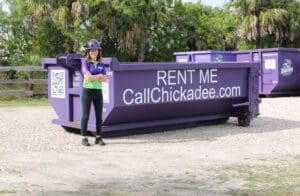
Yes, you can put dirt in a dumpster but I’ve seen that simple answer turn into an expensive mistake when people skip a step or two before they rent. The material matters, the volume matters, and what you mix with it matters more than most people realize. Here’s what you need to know before you book.
The Short Answer: Yes, Dirt Can Go in a Dumpster
Dirt is accepted by most dumpster rental companies, but it’s not a blanket yes without conditions. Dumpster size, haul weight limits, and what the company is legally permitted to transport all factor into whether your specific job qualifies.
When I get a call about a dirt dumpster, the first things I want to know are how much dirt there is, whether it might get mixed with other materials, and how long the customer needs the container on-site. Those three answers shape everything the size we send, the rate we quote, and the facility we route the load to. Communicating those details upfront saves you from surprises on the back end.
Clean Dirt vs. Mixed Dirt: Why the Difference Matters
Clean dirt — soil with no roots, branches, vegetation, or trash mixed in — often qualifies for flat-rate disposal because it can be hauled directly to a facility that accepts only that material. That’s the best-case scenario for your budget.
The moment you mix dirt with tree roots, bushes, or debris, it shifts to a mixed or vegetation load. That gets routed to a different disposal facility at a higher cost — and there’s no workaround once the load is contaminated.
I had a customer who called for a dirt dumpster. Sounded simple. But when we dug into it, their soil had tree roots intertwined throughout the entire load. We couldn’t honor the flat rate because the receiving facility requires pure dirt no roots, no branches, no trash. What they thought was a clean-dirt job got classified as a vegetation load, and they paid more than expected because of something that seemed minor going in.
If you’re not sure whether your soil qualifies as clean, call before you book. That one conversation can save you a significant overage charge.
Does the Volume of Dirt Change What You Should Do?
Yes — and the threshold is clear in practice. A bag or two of dirt mixed in with general construction debris isn’t going to move the needle on your bill. It’s not a concern.
But if you’re tearing up an entire yard, grading a lot, or excavating with heavy equipment, that volume demands a dedicated heavy-duty dumpster and a real conversation with your hauler before delivery day. Flat-rate pricing on clean-dirt dumpsters only makes sense at scale that’s where it protects you financially.
One thing most people don’t think about: if you’re using a tractor to remove dirt from a property, you almost certainly need a dumpster. The volume a tractor moves in a single afternoon can easily fill a roll-off, and trying to manage that without a dedicated container creates a real problem on-site.
What Type of Dirt Causes Problems and Why
Wet dirt is heavier. If your soil is saturated from rain or irrigation, load weight increases significantly which means higher overage charges if you’re on a weight-based pricing model. Wet dirt mixed with other materials also disqualifies the load from clean-dirt pricing, so you can get hit twice: higher weight and a higher disposal rate.
Contaminated soil is the real hard stop. Petroleum-contaminated dirt from near old gas stations, underground fuel tanks, or oil-stained driveways carries chemicals that leach directly into the drinking water supply. Florida law bars this material from standard construction dumpsters it’s a legal restriction, not a policy preference.
Soil from agricultural or commercial sites with heavy pesticide or herbicide residue falls into the same category. Standard landfills aren’t lined to contain those toxins. If you have any reason to believe your soil may be contaminated, pursue a licensed hazardous waste disposal route before renting anything.
How Do I Get Rid of a Lot of Dirt? Your Real Option
If you’re dealing with serious volume, here are the three options that actually work:
- Rent a dumpster sized for your volume. For large excavation or grading jobs, this is almost always the most efficient path. A flat-rate clean-dirt dumpster keeps costs predictable and gets the job done in one move.
- Give it away if it’s clean fill. Clean fill dirt is in demand. Post it on local Facebook groups, Craigslist, or Nextdoor. Landscapers and homeowners with low spots on their property often want free fill dirt and will haul it themselves.
For most homeowners and contractors on the Treasure Coast, renting a dumpster is the cleanest and most cost-efficient solution when the volume is real.
What Happens If You Mix Dirt With Trash in a Dumpster?
If you were quoted for clean dirt and you mix in trash or debris, expect to pay overages. Customers who don’t follow the material guidelines end up paying additional charges they weren’t budgeting for it’s not a penalty, it’s just how disposal facilities are structured.
The overfill rule applies here too. We won’t pick up a dumpster loaded beyond the max fill line, and dirt is dense enough that it’s easy to hit that line faster than you think. Keep an eye on it as you load. For a full breakdown of what’s accepted and what causes problems, our guide on what you can put in a rental dumpster covers it in detail.
The Bottom Line
Dirt can go in a dumpster clean dirt, communicated upfront, within weight limits, and loaded correctly. Mix in roots or debris and you lose the flat rate. Load in contaminated soil and you’re in violation of Florida law. Overload the bin and you risk a refused pickup.
If you want to know exactly what size you need or whether your material qualifies for clean-dirt pricing reach out to us directly or check our guide on dumpster sizing. No pressure, just the right answer before you commit.