
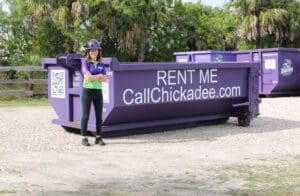
I had a customer order a 10-yard dumpster for a cabinet removal. Within a day they were calling back they couldn’t fit the cabinets without breaking every single one down piece by piece. They ended up renting two 10-yard dumpsters when one 20-yard would have saved them time and money.
That story plays out more than you’d think. Kitchen remodels generate more debris than almost any other home project, and most people don’t realize it until the dumpster is full and the job is only half done. This guide breaks down exactly what to expect: debris types, real weights, actual costs, and how to pick the right size before the crew shows up.
How Much Debris Does a Kitchen Remodel Actually Generate?
More than you think and volume is what catches people off guard, not just weight.
Cabinets are big and bulky. Lower cabinets, upper cabinets, pantry units, corner pieces they eat cubic footage fast. A cabinet-only removal typically runs 2,000–5,000 lbs. Where things escalate is when scope grows. If flooring comes out and foundation cuts are needed to relocate plumbing, a kitchen remodel can easily surpass 10,000 lbs. Most full kitchen remodels need one or two 20-yard dumpsters.
Older homes change the math further. Drywall and cabinetry in homes built 40 or 50 years ago tend to be bulkier and heavier than modern builds and that catches both homeowners and contractors off guard. Understanding how much debris your remodel will actually produce before you book is one of the best ways to avoid a mid-project mess.
What Type of Kitchen Remodel Are You Actually Doing?
Scope matters more than square footage.
A cosmetic update swapping cabinets, replacing counters, updating fixtures produces a manageable debris load. A gut renovation that takes the kitchen down to studs, relocates plumbing, and replaces flooring is an entirely different job. Same kitchen, completely different dumpster needs.
One thing that surprises people: plumbing relocations often require foundation cuts. That concrete adds significant weight that wasn’t part of the original estimate. Concrete is one of the heaviest materials you can put in a roll-off even a small amount adds up fast.
Older homes add another layer. Some kitchens have drywall installed directly over the original drywall never removed, just covered. When demo starts, you’re pulling two layers, not one. That can double the expected debris volume. Know the full scope and the age of the home before you call to book.
What Size Dumpster Do You Need for a Kitchen Remodel?
For most kitchen remodels, a 20-yard dumpster is the right call. For full gut jobs, budget for two.
A 10-yard is almost always the wrong size for kitchen work. It forces you to break down every cabinet into small pieces and babysit the load constantly and that’s labor time, which costs real money on a remodel.
Here’s a general sizing guide:
- Cosmetic update (cabinets + counters only): 15-yard or 20-yard
- Mid-scope remodel (flooring + cabinets + fixtures): 20-yard
- Full gut renovation (studs, plumbing moves, flooring, everything): 20-yard minimum; likely two
We keep our pricing simple all sizes are the same flat rate. If your rental company does the same, there’s no reason to go smaller and create problems for yourself. The customer who ordered the 10-yard ended up spending more on two rentals than a single 20-yard would have cost, and lost days managing logistics mid-project. If you’re unsure, go up a size. Knowing what dumpster size you actually need before you book prevents a second trip and wasted days on the job.
Real Dumpster Rental Costs for Kitchen Remodels
The pricing model matters as much as the rate itself.
Some companies bundle weight into a flat rate that sounds simple, but it usually means paying for capacity you may not use. We use a transparent model: a flat base rate plus a per-pound overage charge. You only pay for what you actually put in the dumpster. Dumpster rental kitchen remodel with chickadee dumpster rental is easy.
For a kitchen remodel, weight overages are a real risk. Tile, concrete backer board, thick subfloor, and foundation cuts can push a load well past initial estimate. Ask your rental company upfront: what’s the base rate, what weight is included, and what’s the per-pound overage? Get those numbers before you book. Understanding how much a dumpster rental actually costs helps you compare quotes accurately and avoid sticker shock at pickup.
Hidden Costs That Catch Homeowners Off Guard
Remodel delays are common and they cost money when your dumpster clock is running.
A foundation leak shows up mid-demo. A permit gets held up. A supplier misses a delivery. Any one of those can push the project back by days, and extra rental days add up. Unexpected weight is the other blind spot: concrete backer board under tile, old cast iron plumbing, thick subfloor none of that gets estimated in the initial scope, but all of it goes in the dumpster.
Before you sign: ask what’s included in the base price, how many rental days, what the overage rate is per pound, and what happens if you need an extension. Those four questions will protect you from most of the surprise charges.
Driveway Protection: The Factor Nobody Talks About
Most homeowners don’t think about this until there’s a tire mark across their pavers.
A lot of companies use scrap lumber for driveway protection the theory being that boards cushion the impact. But dropping a 2,500-lb dumpster off a 2-inch board onto concrete or pavers still causes real damage. With trailer-based delivery, the rear tires drag across your driveway surface and leave black rubber marks. Some companies charge extra for tire covers a cost most homeowners never saw coming.
We use hook lift trucks with a patented driveway protection system. When the dumpster is delivered, the truck rolls forward out from under the container the dumpster doesn’t slide or roll across your driveway at all. It’s worth asking any rental company directly: how is the dumpster delivered, and what driveway protection do you provide?
When to Schedule Delivery
Schedule delivery for the day before the project starts, not the morning of.
Your crew should never be standing around waiting on a dumpster before demo can begin. Getting the container on-site the day before means the first swing of the hammer happens the moment the crew walks in. If the project gets pushed back, call before delivery and ask to delay the drop that one call can save you an entire rental day. The moment the last load is in and the job is wrapped, call for pickup. Don’t let a full dumpster sit for three extra days while you figure out logistics.
The Bottom Line
Kitchen remodels generate more debris than most people expect in both volume and weight. Cabinets alone can surprise you. Add flooring, concrete cuts, and old-home materials, and you’re looking at a serious load that needs the right container.
Size, weight, pricing structure, delivery method, and rental terms all affect your final cost and the condition of your driveway when the job is done.
If you’re on the Treasure Coast and want straight answers on sizing, weight, and pricing before you book, reach out to Chickadee Dumpster Rental. No bundled guesswork, no driveway damage, no surprises.